
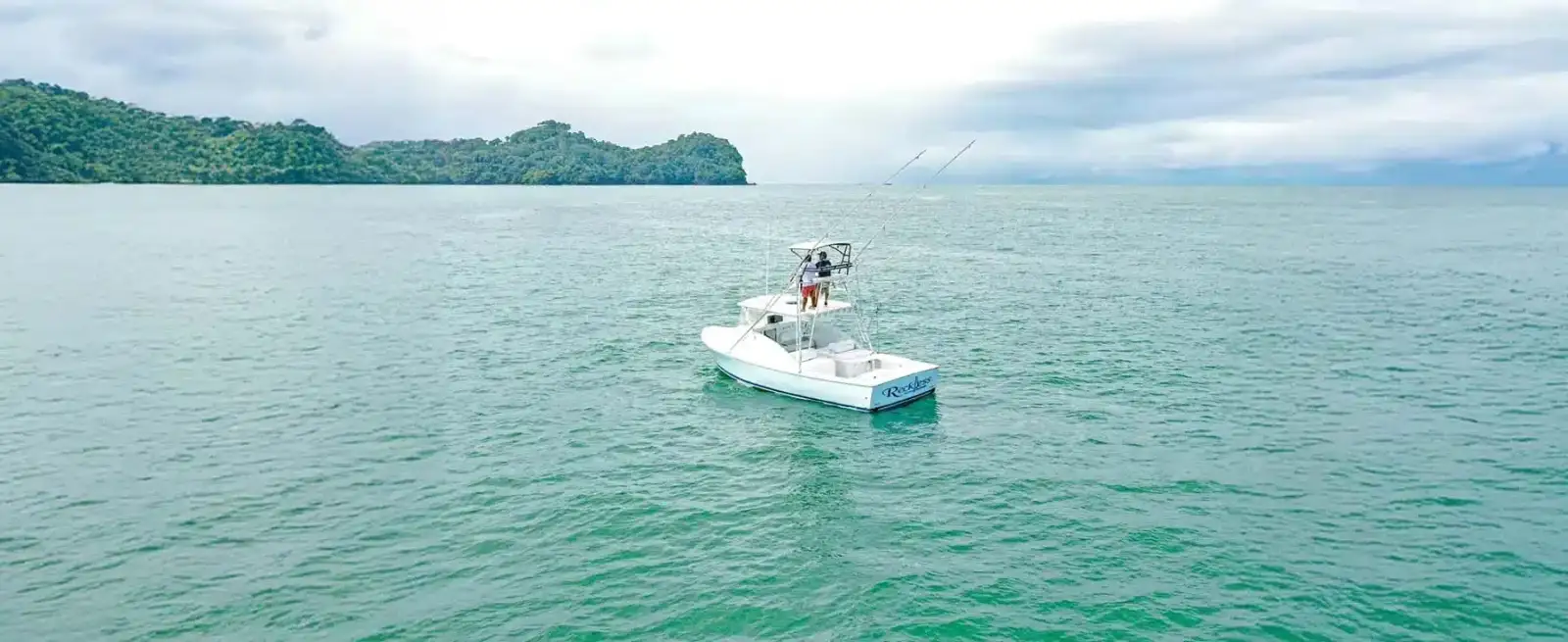
Quepos, Costa Rica, is one of the Pacific coast’s most exciting destinations for sport fishing. Its offshore waters, rocky coastline, and productive fishing grounds offer opportunities to target a wide variety of game fish throughout the year. Whether you dream of catching a powerful marlin, watching a sailfish leap out of the water, or battling a hard-fighting roosterfish close to shore, Quepos offers an unforgettable fishing experience.
For anglers planning a fishing trip, knowing which fish species inhabit these waters can help you choose the right charter and prepare for your day on the ocean.
In this guide, we explore some of the most popular fish you can catch in Quepos, Costa Rica, including their characteristics, where to find them, and what makes each species special.
1. Pacific Sailfish: A Favorite Among Offshore Anglers
The Pacific sailfish is one of the most recognizable game fish in Costa Rica. Its distinctive sail-like dorsal fin, streamlined body, and impressive speed make it a favorite among sport fishing enthusiasts.
Sailfish are known for their spectacular jumps and fast runs after taking the bait. Hooking one can turn an ordinary day on the water into an unforgettable adventure.
Where to find them: Offshore waters around Quepos, where currents and baitfish attract these predators.
Best fishing approach: Trolling with suitable bait and tackle is a common technique.
Why anglers love them: Their speed, aerial displays, and challenging fights make sailfish a prized catch.
Sailfish can be encountered during much of the year, although seasonal conditions influence their abundance and activity. They are generally released after capture as part of responsible billfish fishing practices.
2. Blue Marlin: The Ultimate Big-Game Challenge
Blue marlin is among the most powerful fish targeted by offshore anglers in Quepos. Recognized by its elongated bill, muscular body, and striking blue coloration, this species is famous for its strength and endurance.
A marlin encounter can involve powerful runs, sudden changes of direction, and demanding battles that test both the angler and the fishing equipment.
Where to find them: Deep offshore waters and productive Pacific fishing grounds.
Best fishing approach: Offshore trolling with appropriate tackle and techniques.
Why anglers love them: Blue marlin offer the challenge and excitement associated with trophy sport fishing.
Marlin activity varies with the season, water conditions, and bait availability. If catching a marlin is one of your fishing goals, discuss your travel dates and target species with your captain before booking.
3. Black and Striped Marlin: More Billfish to Target
Blue marlin is not the only member of the marlin family that anglers may encounter off Quepos. Black marlin and striped marlin are also sought-after offshore game fish.
Black marlin are known for their powerful builds and strength, while striped marlin are recognized by their distinctive vertical body stripes and energetic fighting behavior.
All three species offer a memorable challenge, but encounters depend on fishing conditions and the movement of fish through the area.
Where to find them: Offshore Pacific waters around productive current lines and deeper fishing grounds.
Best fishing approach: Trolling is a common technique for targeting marlin.
For anglers interested in big-game fishing, a dedicated offshore charter provides time to explore the waters where these impressive predators may be found. Billfish should be handled and released responsibly.
4. Yellowfin Tuna: Speed, Strength, and Excitement
Yellowfin tuna is another popular target in Costa Rica’s Pacific waters. These powerful fish are built for speed and can make long, forceful runs when hooked.
Unlike billfish, yellowfin tuna are also valued as food fish, subject to applicable fishing regulations and the captain’s guidance.
Tuna may gather around schools of baitfish, current lines, and other productive offshore areas. Finding these feeding fish can create exciting opportunities for anglers.
Where to find them: Offshore waters around baitfish schools and productive ocean currents.
Best fishing approach: Depending on conditions, trolling, casting, and other suitable techniques may be used.
Why anglers love them: Their strength and endurance provide a rewarding fight, and they are prized for their excellent table quality.
If yellowfin tuna is your preferred target, ask about recent fishing conditions when arranging your Quepos sport fishing trip.
5. Mahi-Mahi (Dorado): Colorful and Energetic
Mahi-mahi, also known as dorado, is one of the most colorful fish anglers may encounter offshore in Costa Rica.
These fish can display brilliant green, blue, and golden-yellow colors, particularly when excited. They are fast swimmers and can make energetic runs during a fight.
Mahi-mahi are often associated with floating objects, weed lines, and areas where smaller fish gather.
Where to find them: Offshore waters, especially around productive surface features and floating vegetation.
Best fishing approach: Trolling and casting may be effective, depending on where the fish are feeding.
Why anglers love them: Their vivid colors, active fights, and reputation as an excellent food fish make them a popular target.
The likelihood of encountering mahi-mahi varies throughout the year, so your captain can help determine whether conditions are favorable during your visit.
6. Roosterfish: A Signature Inshore Game Fish
Roosterfish is one of the most distinctive species found along Costa Rica’s Pacific coast. Its unusual dorsal fin, which resembles a rooster’s comb, makes it easy to recognize.
Unlike marlin and sailfish, roosterfish are primarily associated with inshore fishing. They can be found around rocky points, coastal structures, and areas where baitfish gather.
Roosterfish are powerful fighters, making them a favorite among anglers who enjoy fishing closer to land.
Where to find them: Nearshore waters, rocky points, and productive coastal areas around Quepos and Manuel Antonio.
Best fishing approach: Live bait, casting, and other techniques may be used according to local conditions.
Why anglers love them: Their distinctive appearance and strong runs make them a rewarding target on lighter tackle.
Roosterfish are widely valued as sport fish and are commonly released. If you want to target roosterfish, an inshore fishing charter is a good option to discuss with your captain.
7. Snapper: Strong Fighters Around Rocky Structures
Several snapper species inhabit the coastal waters around Quepos. Among them, cubera snapper and Pacific dog snapper are of particular interest to anglers.
Snapper often stay close to rocky structures, reefs, and other underwater features. They can strike aggressively and attempt to retreat into cover after being hooked, making them a challenging target.
Where to find them: Rocky bottoms, reefs, and other nearshore structures.
Best fishing approach: Bottom fishing with suitable bait and tackle is commonly used.
Why anglers love them: Snapper provide exciting fights and are valued as food fish where retention is permitted.
If you enjoy fishing around underwater structures rather than traveling far offshore, snapper fishing may be an excellent addition to your Quepos fishing plans.
- Jack Crevalle: An Aggressive Coastal Fighter
Jack crevalle is known for its strength, speed, and willingness to attack baitfish. Although it may not have the same international profile as marlin or sailfish, it can provide plenty of excitement on an inshore fishing trip.
These fish may travel in schools and feed aggressively when bait is available.
Where to find them: Coastal waters, rocky points, and areas where baitfish gather.
Best fishing approach: Casting lures, fishing with bait, and other suitable inshore techniques.
Why anglers love them: Jack crevalle are powerful fighters that can test an angler’s tackle and technique.
For beginners and experienced anglers alike, targeting jack crevalle can add variety to a coastal fishing adventure.
9. Mackerel: Fast-Moving Fish Near the Coast
Mackerel are another group of fish anglers may encounter in the waters around Quepos. Spanish mackerel, also known locally as sierra, are recognized for their streamlined bodies, sharp teeth, and quick strikes.
These fish often feed on smaller fish and can provide active fishing when conditions are favorable.
Where to find them: Coastal waters and areas where baitfish are present.
Best fishing approach: Depending on conditions, trolling, casting, or jigging may be suitable.
Why anglers love them: Their speed and aggressive feeding behavior make them entertaining targets on an inshore trip.
Mackerel may also be used as bait for larger predators when permitted and appropriate.
Inshore vs. Offshore Fishing: Which Fish Should You Target?
Choosing between inshore and offshore fishing depends on the species you want to catch, your available time, and the kind of experience you prefer.
Offshore fishing
Offshore trips focus on deeper Pacific waters and are particularly suitable for anglers hoping to target:
- Pacific sailfish
- Blue, black, and striped marlin
- Yellowfin tuna
- Mahi-mahi
These trips generally involve more time on the water and can be ideal for anglers looking for big-game fishing opportunities.
Inshore fishing
Inshore trips focus on coastal fishing grounds, rocky points, reefs, and other structures closer to land. Potential targets include:
- Roosterfish
- Snapper
- Jack crevalle
- Mackerel
Inshore fishing can be a practical choice for visitors who prefer a shorter trip or want to explore the variety of fish found near Costa Rica’s coastline.
The species available on any given day will depend on seasonal patterns, weather, water conditions, and baitfish activity.
When Is the Best Time to Go Fishing in Quepos?
Quepos offers sport fishing opportunities throughout the year, but different species may be more active or abundant at different times.
Sailfish and marlin are popular offshore targets during favorable billfish periods, while tuna and mahi-mahi can provide excellent opportunities when conditions and bait availability align. Inshore species such as roosterfish and snapper offer additional options for anglers who prefer fishing near the coast.
Rather than choosing a date based on a seasonal calendar alone, ask your fishing captain about recent catches and conditions for your preferred species.
Remember that fishing is unpredictable. No charter can guarantee a particular fish or a successful catch, but choosing an appropriate trip can help you make the most of your time on the water.
Book Your Quepos Fishing Adventure with Reckless Sport Fishing
From the spectacular jumps of Pacific sailfish to the powerful runs of roosterfish, Quepos offers a wide range of sport fishing experiences. Whether you want to pursue trophy billfish offshore, target tuna and mahi-mahi, or explore the coastal waters for snapper and other inshore species, choosing the right charter is an important first step.
Reckless Sport Fishing offers fishing charter options for anglers interested in exploring the Pacific waters around Quepos, Costa Rica.
Before your trip, let the crew know which species interest you most, how much time you have available, and whether you prefer offshore or inshore fishing. This will help you choose a trip that matches your goals and current fishing conditions.
Ready to experience sport fishing in Costa Rica? Visit Reckless Sport Fishing to explore your options and start planning your Quepos fishing adventure.
Frequently Asked Questions
What is the most popular fish to catch in Quepos?
Pacific sailfish is one of the area’s best-known offshore sport fish. Marlin, yellowfin tuna, mahi-mahi, and roosterfish are also popular targets.
Can you catch marlin in Quepos, Costa Rica?
Yes. Blue, black, and striped marlin are among the species targeted in the offshore waters around Quepos. Encounters depend on season and fishing conditions.
What fish can you catch on an inshore fishing charter?
Common targets include roosterfish, snapper, jack crevalle, and mackerel. Other species may be encountered depending on location and conditions.
Is offshore or inshore fishing better for beginners?
Both can be suitable for beginners. Inshore trips are often shorter and stay closer to the coast, while offshore trips offer opportunities to pursue larger pelagic species. Discuss your experience level and preferences with the charter crew.
Can you keep the fish you catch in Quepos?
Whether a fish can be retained depends on the species, applicable regulations, and responsible fishing practices. Billfish are generally released on sport fishing charters, and your captain can explain the rules for other species.
Can you catch different species during the same fishing trip?
Yes, multiple species may be encountered during a trip. However, the catch depends on the fishing location, season, weather, and fish activity. Your captain can suggest an approach based on the conditions and your target species.
_________________________________________________
Contact us:
- WhatsApp: +506 8396-9494
- Email: info@recklesssportfishing.com
- Address: Marina Pez Vela, Quepos